- Home
- Return to the latest discount news
- How to Plan a Baby Registry on a Budget: Essentials, Tiers and Timing
How to Plan a Baby Registry on a Budget: Essentials, Tiers and Timing

Building a baby registry is exciting, but it can also feel overwhelming once we start adding up the total. A smart registry isn't about cutting corners but is about planning carefully, prioritising essentials and using discount codes strategically. In this guide, we'll look at how to structure a baby registry like a budget, which items to focus on first and how to use current offers effectively.
For those wanting to compare available offers, Discoup.com has a dedicated Mamas & Papas page where readers can check for currently listed codes and offer terms before placing an order.
When to start (and finish) your registry
It's worth opening a registry earlier than most people expect, ideally by the second trimester. Big-ticket items like the travel system, cot and car seat often benefit from being decided early, since popular colours or models can go out of stock or face longer delivery times closer to the due date.
Other categories are better left for later. Clothing sizes, feeding preferences and even nursery decor choices tend to become clearer only once the baby has arrived, so it's fine to leave a portion of the registry open and add to it after birth rather than locking everything in months in advance.
Plan the registry like a budget
Before adding items at random, it helps to approach a registry the way we would any household budget. Start by grouping items into tiers such as must-haves, useful-but-not-urgent and nice-to-haves.
Must-haves might include a safe bed, a travel system, and basic clothing. The second tier could include play gyms or decorative nursery pieces. The final tier covers extras that are lovely but not essential. Estimate rough totals for each category for a clearer idea of overall spend.
Choose essentials first
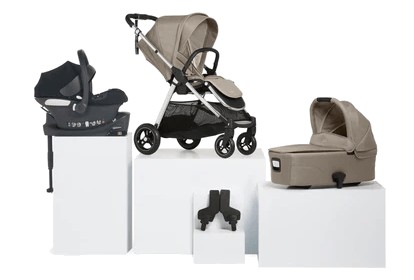
When building a registry, prioritise items that are either safety-related or used daily. Travel systems, car seats, cots and mattresses are worth buying new for peace of mind and warranty protection. Everyday clothing basics and bedding are also practical early purchases. Some accessories or specialist items can wait until we understand what we truly need after the baby arrives.
What can stop a voucher code from working
Before checkout, it's worth knowing that codes commonly fail for a handful of reasons:
- the code has expired,
- the code doesn't meet the minimum spend,
- the item falls in an excluded category,
- the offer is a first-order-only discount.
Newsletter codes can also take time to arrive by email, and most codes cannot be stacked with sale items or combined with other promotions.
New vs pre-loved: where it's safe to save
Not every item needs to be bought new, but a few categories are worth treating as an exception. Car seats should always be bought new, since their safety depends on a known history — a second-hand seat may have been in an accident or already be past its expiry date, and this usually isn't visible from the outside. Mattresses are generally best bought new as well, for hygiene and support reasons.
Plenty of other items are perfectly fine second-hand or passed down: clothing, books, soft toys and many nursery decorations see limited wear and can cut costs significantly without any real trade-off.
Other ways to save money
Even without voucher codes, there are smart ways to manage registry costs. Timing purchases around general sale periods can also help, even if exact dates vary year to year. Looking for bundles or coordinated sets often delivers better value than buying single pieces individually.
It's also wise to prioritise large purchases for threshold-based discounts and use multi-buy promotions for smaller essentials. Choosing gender-neutral basics can reduce the need to repurchase items for future children. Finally, reviewing delivery fees and return policies can prevent unexpected extra costs.